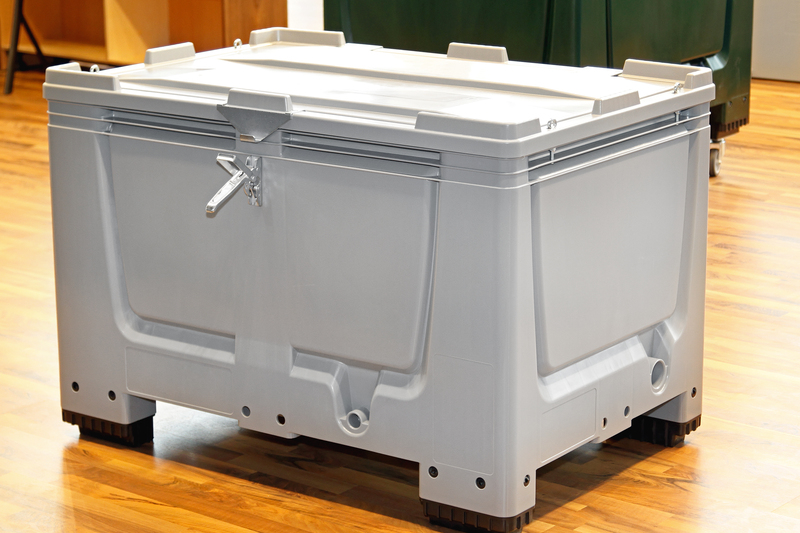
Man with van in Croydon for practical, well-planned moving help

Man With Van Croydon offers straightforward moving support for households and businesses that need items transported with care, sensible loading and a vehicle suited to the job. The focus is on useful, efficient van-based removals rather than unnecessary extras, so customers can arrange help for single items, part-load moves, furniture collection, or larger local moves where a full lorry would be more than is needed. The service is designed to keep the process clear and manageable from the first enquiry to the final drop-off.
Our work can cover house moves, furniture pick-ups, and commercial moves, alongside related moving support such as packing, loading and unloading. That makes it easier to match the vehicle and manpower to the size of the task. If you need a practical removal van solution in Croydon, you can use the pages below to explore the main service areas and decide which option fits your move best.
For a simple start, note what needs moving, where it is going, and whether there are stairs, tight access points or heavier items. Clear details help shape the right plan, especially when the job involves furniture that must be dismantled, carried through narrow spaces or placed carefully at the destination. When you are ready, request a quotation and we will help you move forward with a sensible arrangement.
House removals and home moving support
House moves need more than a vehicle alone. They usually depend on careful loading order, secure positioning of furniture, and a plan for fragile or awkward belongings. Our house moving support is intended for people who want a straightforward removal service that keeps their goods organised and reduces avoidable handling. Whether the move is across Croydon or simply between local addresses, the main aim is to transport possessions safely and keep the day structured.
Within this type of move, the practical details matter. Sofas, beds, wardrobes, dining tables, boxes and household appliances each call for different handling methods. A good moving plan considers what should be loaded first, what needs protection, and what can be carried separately. If you are comparing options, the home moves page gives a clearer view of this service area, while the house removals page is useful when the job is centred on a full residential move.
Home moving often becomes easier when the loading plan is built around access and item shape rather than room order alone. That means thinking about what can be taken apart, what needs to remain upright, and what should be wrapped or padded before transport. If you want to check other related residential pages, house movers and house removalists both point to the same broad need for domestic relocation support, with wording that may suit different customers. Choose the route that matches your move and keep the request as specific as possible.
Furniture pick-up and individual item transport

Not every job is a full move. Sometimes a customer only needs one sofa collected, a bed delivered, or a heavy item moved from a shop, storage unit or seller to a home. Furniture pick-up work is valuable because it bridges the gap between buying something useful and getting it safely into place. It can suit both private and commercial customers who want a van-based collection without arranging a larger removal operation.
Item transport works best when the goods are described accurately before the job begins. Dimensions, weight, access at both ends and any need for dismantling all influence how the loading should be carried out. The furniture pick-up page reflects this focused service, while the related moving van and removal van pages help explain the type of vehicle that may be used for transport and loading. These pages are useful when the job is smaller than a full household move but still needs careful handling.
For customers arranging a pick-up, it helps to think about padding, doorway widths and whether the item will need to be manoeuvred around corners or down stairs. A well-planned collection reduces the chance of delay and helps the team place each piece where it needs to go. If the load includes several items from one seller or location, the job can often be organised as a small multi-item move rather than separate trips. Request a quotation when you know the item list and collection and delivery points.
Commercial moves and office relocation support
Commercial moving needs a different rhythm from domestic removals because the aim is often to keep business items organised while equipment, stock or furniture is transported. Our commercial move support is suited to offices, smaller workplaces and other premises where the load may include desks, chairs, filing cabinets, boxed materials and general furniture. The emphasis stays on controlled handling and practical timing, not on unnecessary disruption.
In an office setting, the type of item matters as much as the number of items. Sensitive equipment, paperwork and heavier furniture each have different packing and placement needs. If you are planning a business relocation, the commercial moves page is a useful starting point, and the office relocation services page gives a more focused view of workplace moves. For larger or more complete internal relocation planning, office removals is also relevant and can help you decide how much support you need.
Businesses often prefer a move that is ordered around access, parking and the sequence in which equipment should be loaded. That is especially useful where filing, monitors, office chairs and desks need to arrive in a sensible order for setup. It can also help to separate items that must remain available during the move from those that can go first. A clear list of what needs moving usually makes the quotation more accurate and the day easier to manage. Use the contact route when you are ready to outline the job.
Packing, unloading and practical moving preparation
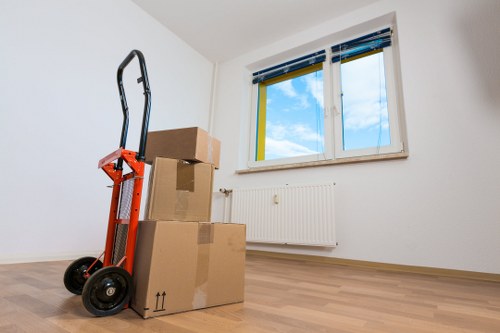
Packing support can make a removal feel more controlled, particularly when the load includes breakables, mixed household goods or office equipment with small parts. Our packing and unpacking service is intended to help customers organise belongings so they can be transported with less handling and unpacked in a more orderly way. It is a practical option when time is limited or when the move contains items that need a steadier approach than simply placing them in boxes.
Good packing is about fit, protection and clarity. Boxes should be suitable for the contents, heavier items should not be overpacked, and delicate goods should be separated from items that could mark or crush them. The packing and unpacking services page is the clearest place to see how this support fits with moving work. When packing is combined with removals, the result is often a smoother loading process because the goods arrive ready to be stacked and secured with less wasted space.
If you are preparing for a move, a short inventory of the rooms or items involved is often enough to begin. You do not need to turn the job into a detailed project plan, but it helps to identify anything large, fragile, awkward or especially valuable. For mixed loads, the team can then think about which items need added care and which can be moved more simply. Keep the list practical, and ask for a quotation once the main pieces are known.
Vehicle options, removals information and service choices
Different moving jobs call for different vehicle setups. A smaller van may suit a light flat move or a few pieces of furniture, while a larger load may need more space and a stronger loading arrangement. Our vehicle-related pages are useful if you want to compare the broad type of removal support before you decide how to proceed. The aim is to match the vehicle to the work so the move is neither under-resourced nor unnecessarily large.
Useful related pages include man and van, man and van removals, man with a van and man with van. They all sit around the same core idea: a flexible moving service that can handle transport, loading and unloading without the scale of a full removal fleet. If you are comparing general moving terminology, movers and removal services are also useful pages to read alongside the more specific options.
When planning a van-based move, think about how the items will be arranged inside the load space, whether the route involves multiple stops, and whether any goods require dismantling before they can be carried safely. These practical choices can influence both the time needed and the vehicle selection. If you are unsure which service label best fits your job, choose the wording that most closely matches the actual task rather than the one that sounds largest. That keeps the quotation request accurate and easy to assess.
Pricing factors, removals scope and what affects a quotation
Quotation requests are usually clearer when they focus on the real variables in the move. Distance, access, volume, item weight, and whether loading help is needed all influence the shape of the job. For a man with van service, the most useful information is often a straightforward description of what is being moved and where it needs to go. That makes it easier to assess the likely vehicle size and the amount of handling involved.
If you want to understand the commercial side of the service before making an enquiry, the pricing and quotes page is the obvious starting point. It sits well alongside removals, which gives a broader picture of the overall service area, and removal company, which may help when comparing the general type of provider you want. These pages do not replace a proper job description, but they do help frame your expectations before you ask for a quotation.
The best quotation requests are concise yet complete. Include the pickup and delivery points, the number of floors involved, any need for dismantling, and whether the move includes bulky, fragile or awkward items. That allows the work to be planned with fewer assumptions and helps avoid confusion later. When the details are ready, you can ask for a quote and keep the process moving without unnecessary back-and-forth.
About Croydon
Croydon is a large town in south London with a long history that stretches from a market settlement into a major metropolitan centre. Its position south of central London has shaped its identity as a place of transport links, commerce and everyday urban life. The modern district contains a mix of civic buildings, shopping streets, office space and residential neighbourhoods, while older traces of the town remain visible in the fabric of the centre and in local heritage sites. Croydon’s development accelerated with the railway era, when faster links to London encouraged growth and brought new patterns of work, travel and housing. The area is also known for a varied built environment that includes post-war redevelopment alongside earlier structures, with the historic heart around the parish church contrasting with newer retail and office quarters. Public spaces and green areas help balance the built-up character of the district, and the town sits within a broader suburban landscape that connects to surrounding parts of south London and Surrey. Cultural life in Croydon has included theatres, music venues and community spaces, reflecting its role as a busy urban centre rather than a quiet residential suburb. The town centre, transport corridors and nearby neighbourhoods together form a place that is both practical and layered, with everyday movement, shopping and work all contributing to its character.
Household and business moves handled with care

Many customers need a moving service that feels flexible enough for real life. A man with van setup can suit a short-notice flat move, a planned household relocation, or a small business transport task where only part of the premises is being moved. The strength of this approach is that it combines transport with hands-on help, so the job does not rely on the customer doing every stage alone. It is a practical balance between self-managed transport and a larger removal operation.
Different moves benefit from different levels of support. Some require only loading and delivery, while others are better served by added packing or unloading help. The removal van and removal truck hire pages can help you compare vehicle-based options, while moving truck and moving van show related transport terminology. If you are arranging a larger household move, house removalists remains a useful reference page for the domestic side of the service.
Because every move is different, the best results usually come from matching the service to the actual load rather than assuming a standard format. A few well-chosen details often tell the whole story: what the items are, how far they are going, and whether they need to be handled upstairs or through shared access points. Keep the request focused, and use the quotation stage to confirm any special handling that might be needed.
Moving support, service standards and useful planning choices
Removals work is often easiest when the customer has a simple plan for what stays together and what can be moved separately. That matters for household furniture, boxed belongings and business equipment alike. Our service pages are structured around those practical decisions so it is easier to identify the kind of support you want. The point is not to overcomplicate the job, but to make the transport stage feel organised and sensible from the outset.
For service details and related policies, you can also review insurance and safety, which explains how the business approaches care and risk, and health and safety policy, which is useful when thinking about handling and site conditions. If your requirements include post-move finishing touches, recycling and sustainability may be relevant where unwanted materials or packaging need to be considered. These pages support a better understanding of how the service is organised.
Use the quotation stage to clarify the load, then decide whether you need transport only, loading help, or a broader removals arrangement. A good moving plan does not have to be complicated; it just has to be accurate. If you are comparing a few possibilities, it can help to keep notes on what is moving, what is staying behind, and what must be handled with extra care. That practical approach tends to produce the cleanest result.
Contact and request a quotation

If you already know the main items, the addresses involved and the level of help you want, the next step is simply to ask for a quotation. You do not need a long explanation, but it is useful to mention any access issues, stairs, larger furniture or fragile items so the move can be matched to the right plan. That keeps the process efficient and makes the service easier to organise around your timing.
For general enquiries, the contact us page is the best place to start, and the about us page can help you learn more about the company pages available on the site. If you would like to check terms before proceeding, terms and conditions and payment and security are also available. These links sit alongside the practical service pages so you can move from planning to enquiry with confidence.
When you are ready, request a quotation and give the moving details as clearly as you can. Whether the job is a single-item pick-up, a domestic move or a workplace relocation, the aim is the same: a practical van-based service that gets your belongings where they need to go with care. If you are comparing options now, send the details and let us help you take the next step.