Purley Croydon small removals guide for narrow streets
Posted on 14/07/2026
Purley Croydon Small Removals Guide for Narrow Streets
Moving a few rooms' worth of belongings through Purley's tighter roads can be more stressful than the packing itself. A sofa looks harmless in the living room, then suddenly it seems twice its size when you are trying to turn it on a narrow street with parked cars on both sides. That is exactly why this Purley Croydon small removals guide for narrow streets matters: it helps you plan a move that is calm, practical, and far less likely to go sideways at the kerb.
Whether you are shifting from a flat, a maisonette, a student room, or a small family home, the challenge is usually the same. Access. Time. Parking. A little local knowledge goes a long way, and truth be told, that is often what separates a smooth move from a sweaty one. Below, you will find a straightforward guide to planning, loading, and completing small removals in Purley and the wider Croydon area without getting stuck in the kind of street layout that makes drivers mutter under their breath.
For readers who want to understand the wider moving landscape too, it can help to explore the broader removal services overview and the practical advice in man with a van Croydon. Those pages sit well alongside the guidance here, especially if your move needs a compact vehicle and flexible timing.

Why Purley Croydon small removals guide for narrow streets Matters
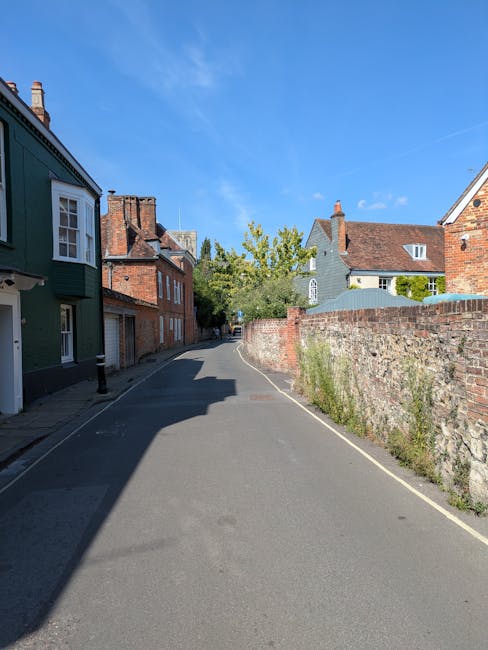
Narrow streets change everything. A move that would be simple on a wide suburban road can become awkward once you factor in parked cars, bends, busier commuter routes, school-run traffic, or rows of terraced houses with limited turning space. In Purley, that often means you need to think less like someone booking a normal van and more like someone planning a small logistics job.
Small removals are not just about having fewer boxes. They are about using the right size vehicle, the right loading order, and the right timing. If you are moving from a top-floor flat, for example, a van parked too far away can add a long carry distance. That sounds minor until you are doing it with a wardrobe, a lamp, and a box of kitchen things that really should have been labelled better. Nobody enjoys that fifth trip back down the stairs.
This guide matters because it helps you reduce friction before moving day. In our experience, most delay on a narrow street comes from one of three things: parking assumptions, oversized vehicle choice, or items being packed in a way that makes them slow to carry. If you sort those early, the move feels much less chaotic. And yes, it really can be that simple.
If you are still weighing up what type of move you need, the pages on flat removals in Croydon and house removals Croydon are useful reference points. They help you match the move type to your actual property, not just the number of boxes in the hallway.
Expert summary: The best narrow-street move is usually the one that looks almost boring from the outside. Good access planning, compact loading, and fewer surprises. That is the win.
How Purley Croydon small removals guide for narrow streets Works
The process is really about narrowing down the variables. Start with the property, then the street, then the item list. That order matters. A lot of people do it the other way round and choose a vehicle before they understand the access constraints. That is how you end up with a van that technically fits the job but creates an irritating problem at the curb.
1. Assess access before the move
Walk the route from your front door to the nearest practical stopping point. Look for low branches, tight corners, parked cars, speed bumps, and pavement pinch points. If your street is one-way or gets busy at peak hours, note that too. It sounds a bit obsessive, but the 10-minute walk can save an hour later.
2. Match the vehicle to the street, not just the load
A compact removal van or man and van setup is often the better choice on narrow streets because it can position more easily, reverse more safely, and reduce the risk of blocking traffic. Bigger is not always better. A larger van may carry everything in one go, but if it cannot stop close to the property, the extra loading efficiency disappears fast.
3. Pack in carry order
For a small move, pack so the first items you need are last into the van, and the easiest-to-carry pieces are near the front door. Heavy boxes, awkward furniture, and fragile items should be clearly grouped. This makes the loading and unloading rhythm much smoother, especially if the street has no obvious waiting space.
4. Time the job for the street, not just your calendar
Morning school traffic, lunchtime deliveries, and evening parking pressure all affect a Purley move. A slightly earlier start can be the difference between a clean parking spot and circling the road three times with hazard lights on, which nobody wants, least of all the driver.
For many customers, a compact removal van in Croydon or a flexible man and van Croydon arrangement is enough for the job. The point is not to overcomplicate the service; it is to make sure the service fits the road.
Key Benefits and Practical Advantages
A good small removals plan brings a few clear benefits, and not just in theory.
- Less parking stress: smaller vehicles are easier to position where space is limited.
- Shorter loading times: if the van is closer to the door, each item takes less effort.
- Lower risk of damage: fewer tight manoeuvres means fewer chances of bumping walls, railings, or mirrors.
- More flexible timing: compact moves are easier to fit around school runs, work hours, or building access windows.
- Better for partial loads: ideal if you are moving selected furniture, boxes, or one room rather than a full household.
There is also a mental benefit. A smaller, better-organised move usually feels more controllable. You know what is going where. You are not trying to fit a mountain of stuff into a van that was clearly chosen in a rush. That calm matters more than people expect.
And if your move is a bit more specialised, the relevant service pages can help you plan the details. For example, furniture removals Croydon is useful if you are moving a few larger pieces, while packing and boxes Croydon can support the preparation side. Small removals often need both, even if the job looks simple at first glance.
Who This Is For and When It Makes Sense
This guide is especially useful if you are one of the following:
- moving from a flat or maisonette in a narrow Purley side street
- relocating a few rooms' worth of belongings rather than a full house
- moving student items, seasonal storage, or part-load furniture
- working to a tight time window because of keys, checkout times, or building access
- trying to avoid a larger van that would be awkward on your road
It also makes sense if you are between homes and need things shifted into storage for a while. The storage route is common when chains slip, completion times change, or you simply do not want to rush a decision about your next place. That is where storage Croydon becomes a useful part of the plan rather than a last-minute panic button.
Small removals are often the right fit when your stuff is valuable but not bulky. A couple of beds, some drawers, a desk, a TV, and a manageable number of boxes can often be moved cleanly with a compact setup. It is a good option for people who want speed without paying for capacity they do not need.
Step-by-Step Guidance
Here is a practical way to plan the move from start to finish.
- List everything to be moved. Don't just count boxes. Include awkward items, disassembled furniture, mirrors, plants, and anything fragile.
- Check the street access. Measure likely stopping points, note parking restrictions, and identify whether the van can pull in safely.
- Choose the right move type. If it is a modest load, a man and van or small removal van may be enough. If it is more complex, consider a fuller removal service.
- Pack by room and weight. Heavy books go in small boxes. Bedding can fill larger boxes without becoming impossible to lift. Easy rule, but a lifesaver.
- Label clearly. Mark boxes with room names and any "fragile" or "last off" notes.
- Disassemble where sensible. Bed frames, table legs, and some wardrobes move better when taken apart in advance.
- Reserve a parking strategy. Even if you do not need formal road restrictions, make sure the driver knows the likely stopping point.
- Load in reverse priority. Items needed first at the destination should be easiest to access when unloading.
- Do a final sweep. Check cupboards, loft spaces, under beds, chargers, and windowsills. The number of stray remotes left behind is honestly not funny after the third time.
If you are also dealing with a same-day handover or a quick turnaround, the page on same-day removals Croydon may be worth a look. It is not for every move, but it can be a relief when timings get compressed.
Expert Tips for Better Results
These are the small decisions that usually make the biggest difference.
- Use smaller boxes for heavy items. A small box packed with books is much safer than a big one that becomes unliftable.
- Protect corners and edges. A blanket, wrap, or simple padding can save a lot of awkward repairs later.
- Keep one "essentials" bag separate. Kettle, phone charger, toiletries, snacks, documents, and a change of clothes. You will thank yourself at 9:30 that night.
- Leave a clear path to the door. Narrow hallways get cluttered quickly, and clutter slows everything down.
- Book the right time window. Early or mid-morning often works better than late afternoon in built-up residential streets.
- Tell the mover about anything awkward. A piano, a fragile cabinet, a heavy mirror, or a stair turn with no landing changes the plan.
For specialist items, you should think a step ahead. A small move can still include a heavy piano, and that changes everything. The dedicated piano removals Croydon page is a good reminder that not all small removals are physically small. Some are just compact on paper.
Another useful habit: take quick photos of larger items before the move. Not because you expect a problem, but because it helps with placement, assembly, and any damage checks. It is one of those simple things that sounds unnecessary until it becomes very necessary.
Common Mistakes to Avoid
Narrow-street moves usually go wrong in predictable ways. The good news is that most of them are avoidable.
- Booking too large a vehicle. A van that cannot park near the property creates more work than it saves.
- Underestimating walking distance. Ten extra metres with furniture is not ten extra metres. It is ten extra metres, repeated.
- Packing all heavy items into large boxes. A classic mistake, and a backache waiting to happen.
- Leaving parking to chance. On a narrow road, you need a plan, not optimism.
- Forgetting about weather. Rain turns cardboard soft and pavements slippery. Simple, but easy to miss.
- Not checking access at both ends. Your old street and your new street can each cause their own headache.
One other thing people overlook is disposal. If you are decluttering at the same time, do not leave unwanted items mixed into the move. Decide early what is staying, what is going to storage, and what is being recycled. The page on recycling and sustainability is a sensible reference if you want to keep the process tidy and responsible.
Let's face it, nobody ever said, "I wish I had packed more randomly."
Tools, Resources and Recommendations
You do not need a mountain of kit for a small move, but the right basics help.
| Tool or item | Why it helps | Best use case |
|---|---|---|
| Strong boxes in mixed sizes | Lets you balance weight properly | Books, kitchen items, small household goods |
| Bubble wrap or wrapping paper | Protects delicate items and corners | Glass, frames, ornaments, lamps |
| Furniture blankets | Reduces scuffs during tight carries | Wardrobes, tables, sofas |
| Labels and marker pens | Makes unpacking and sorting much easier | Every box, no exceptions |
| Basic toolkit | Useful for quick disassembly and reassembly | Beds, shelves, flat-pack furniture |
| Trolley or sack truck | Helps with heavier items on smoother ground | Ground-floor access or short carries |
In practical terms, the best resource is usually a mover who understands compact residential streets and does not need the situation explained twice. That is why local experience matters. A driver who has handled tight Croydon access before will spot the bottlenecks faster than someone seeing the street for the first time.
If you want to compare service scope, the removal services Croydon page can help you think through what level of support makes sense. For a more general service comparison, removal companies Croydon gives a broader overview of the type of help people usually look for.
Law, Compliance, Standards, or Best Practice
For everyday domestic removals, the main point is not legal complexity so much as sensible practice. You still want a mover who works safely, handles items carefully, and respects property access. If a street has parking restrictions, loading limitations, or shared access, those should be treated seriously rather than guessed around.
Best practice usually means:
- planning access before arrival
- lifting safely and using appropriate equipment
- protecting property and belongings during loading
- communicating clearly if there is a delay or access issue
- using transparent terms so everyone understands what is included
Insurance is another sensible consideration. Removals involve real-world risk, even on a small job. Items can be heavy, stairs can be awkward, and tight roads can create pressure. The page on insurance and safety is relevant here because it reflects the sort of reassurance most people want before they hand over their belongings.
If you are comparing providers, it is also reasonable to check how they handle service terms and communication. A clear set of terms and an easy complaints route matter, even if you never expect to use them. In a move, clarity is peace of mind. Simple as that.
Options, Methods, or Comparison Table
Not every small move needs the same setup. Here is a practical comparison.
| Option | Best for | Pros | Watch out for |
|---|---|---|---|
| Man and van | Small loads, a few bulky items, flexible timing | Compact, easy to manoeuvre, often cost-efficient | May be limited for larger or multi-room loads |
| Small removal van | Box-heavy moves or small household contents | More space than a basic van, still street-friendly | Needs careful loading to avoid wasted space |
| Full removals team | More fragile, time-sensitive, or larger small-house moves | Extra support, quicker handling, less heavy lifting for you | Usually more than needed for very light moves |
| Part load plus storage | Moves with timing gaps or overflow items | Useful when completion dates do not line up cleanly | Requires extra planning and coordination |
For students, first flats, or short-distance moves, a smaller setup can be ideal. The page on student removals Croydon is particularly relevant if you are moving light but want things done quickly and neatly. If you are moving from one apartment to another, flat removals Croydon also fits this narrow-street scenario well.
There is no prize for choosing the biggest option available. The right method is the one that fits your access, your furniture, and your timing. Nice and boring. That is usually the best kind of move.
Case Study or Real-World Example
Here is a realistic example from the kind of move many people in Purley recognise. A couple were moving from a first-floor flat on a residential road with parked cars on both sides and a narrow turning point at the end of the street. The move was not huge: a bed frame, a chest of drawers, two chairs, a table, a TV, and around a dozen boxes.
At first, they assumed a larger van would make it easier because everything would fit in one trip. But the street made that a bad fit. The larger vehicle would have needed to stop too far away, turning a short move into a much longer carry. Instead, a smaller van parked closer to the entrance, the load was arranged in carry order, and the heavier boxes were split into manageable sizes. The whole move felt less dramatic than they feared.
The one thing they almost missed? The chest of drawers had a mirror attached. That would have been an awkward surprise if it had not been flagged before loading. Small things, really. But in removals, small things tend to be the ones that save the day.
A nearby commercial move can be a different beast altogether. If your Purley move involves a workspace, office kit, or business files, the needs change quickly. For that kind of planning, office removals Croydon is the better fit than a generic household approach.
And if the timing is especially tight, perhaps because of a key collection or an end-of-tenancy deadline, one of the more responsive options may help. That is where same-day removals Croydon can be relevant, though it is best to confirm availability early rather than leave it to luck.
Practical Checklist
Use this checklist the day before and the morning of your move.
- Confirm the moving time and access details
- Check whether the van can stop close to the property
- Separate fragile items and label them clearly
- Pack heavy items into smaller boxes
- Disassemble furniture where needed
- Keep bolts, screws, and Allen keys in labelled bags
- Set aside essentials for the first night
- Clear hallways and stairways
- Protect floors and corners if needed
- Double-check cupboards, lofts, sheds, and under-bed storage
- Have phone numbers and keys ready
- Make sure parking or access arrangements are understood by everyone involved
One tiny tip that people forget: keep snacks and water somewhere you can reach them easily. On a small move, you may not think you need that. Then the clock hits midday, the kettle is packed, and suddenly a biscuit feels like a minor miracle.
Conclusion
A successful Purley move on a narrow street is rarely about brute force. It is about choosing the right vehicle, reducing unnecessary carrying, packing with care, and understanding the road before the van arrives. If you get those parts right, the rest becomes much easier. Not effortless, maybe, but easier. And that is what most people actually need.
The good news is that small removals are usually more manageable than they first appear. Once the access is mapped, the boxes are organised, and the route is clear, the move starts to feel less like a scramble and more like a tidy piece of work. That calm is worth planning for.
If you are at the point of comparing options, reviewing packing support, or deciding whether a compact van is the right fit, start with the relevant pages on this site and build a plan that suits your street rather than fighting it. It makes a bigger difference than people expect.
Get a free quote today and see how much you can save.
And if you take only one thing from this guide, let it be this: narrow streets reward preparation, not panic. One steady step at a time, and the move usually comes good.